 Save
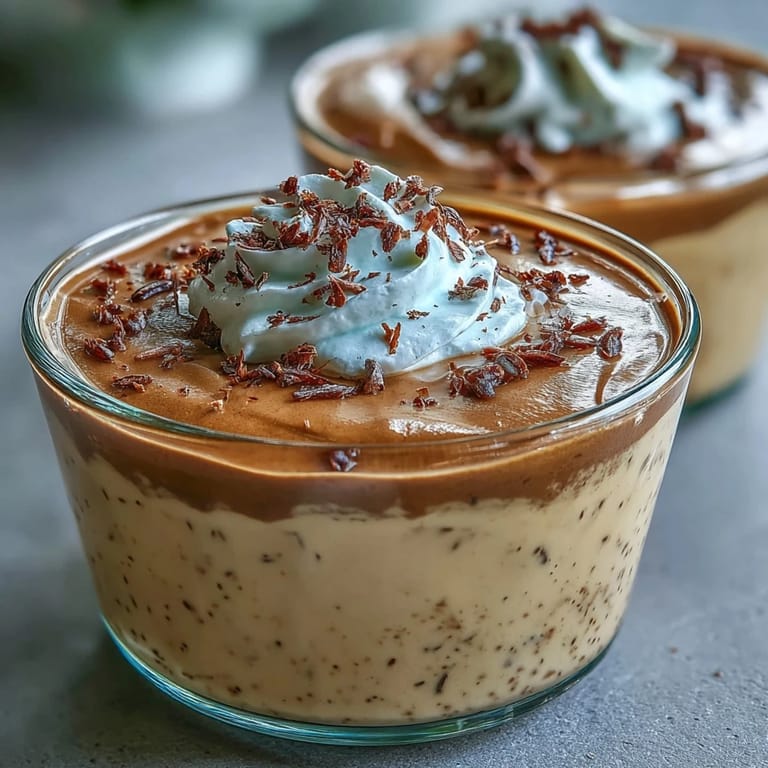
Save My neighbor brought over a small tin of hojicha one autumn afternoon, and I was immediately struck by how it smelled nothing like the green tea I expected—instead, there was this warm, toasty, almost nutty aroma that made me want to bake with it immediately. That evening, I decided to steep it into a custard, and watching the milk transform into this silken, pale brown liquid felt like uncovering a secret. The first spoonful was a revelation: delicate, earthy, and impossibly creamy without ever feeling heavy. It became the dessert I made whenever I needed something that felt both simple and special.
I made this for my book club on a rainy Wednesday, and one friend asked if I'd bought it from a Japanese pastry shop—that moment of surprise and delight when she realized I'd made it at home is exactly why this recipe lives in my regular rotation now.
Ingredients
- Whole milk: Use full-fat for the silkiest texture; skim or low-fat milk will make the pudding feel thin and watery.
- Heavy cream: This adds richness and body that transforms a simple custard into something truly luxurious.
- Hojicha loose leaf tea: The roasting is what makes hojicha different—it's gentler and earthier than regular green tea, almost like a warm hug in flavor form.
- Granulated sugar: Just enough sweetness to balance the tea's natural bitterness without making it cloying.
- Large eggs: These are your thickening agent, so resist the urge to use smaller eggs or the custard may stay too loose.
- Vanilla extract: A small but important player that rounds out the flavor and prevents the pudding from tasting one-dimensional.
Tired of Takeout? 🥡
Get 10 meals you can make faster than delivery arrives. Seriously.
One email. No spam. Unsubscribe anytime.
Instructions
- Warm your dairy base gently:
- Combine milk and cream in a saucepan and heat over medium until you see wisps of steam rising and small bubbles forming at the edges—you'll know it's ready when it smells warm and rich, but before it threatens to boil over.
- Steep the hojicha:
- Remove from heat, add your tea leaves, and let them unfurl for 5 to 7 minutes while the liquid darkens to a pale caramel color. If you wait much longer, the tea becomes bitter and astringent, so set a timer if you're easily distracted.
- Strain with patience:
- Pour through a fine mesh strainer slowly and deliberately; this removes all the leaf particles that would otherwise make your pudding gritty. A little extra time here pays dividends in the final texture.
- Whisk your egg and sugar mixture:
- In a separate bowl, whisk together eggs and sugar for about a minute until the mixture turns noticeably paler and thickens slightly. This pale, smooth mixture is your insurance against curdled eggs.
- Temper the eggs carefully:
- Slowly pour the warm tea-infused milk into the eggs while whisking continuously—this gradual approach prevents the eggs from scrambling. Go slow even if it feels tedious; your pudding will thank you.
- Add vanilla and double-strain:
- Stir in the vanilla, then pour the entire mixture through a fine sieve once more to catch any errant bits of cooked egg white. This step transforms good pudding into silky pudding.
- Cook on low heat with constant stirring:
- Return to the saucepan and cook over low heat, stirring with a spatula in a figure-eight pattern, until the mixture coats the back of the spoon—you'll feel the texture thicken under the spatula after about 5 minutes. The moment it thickens, remove from heat immediately; one extra minute and it can turn grainy.
- Cool and chill thoroughly:
- Pour into serving glasses and let cool to room temperature (this takes about 20 minutes), then refrigerate for at least 2 hours until completely set. The pudding continues to thicken as it chills, so don't panic if it seems slightly loose when you first pour it.
 Save
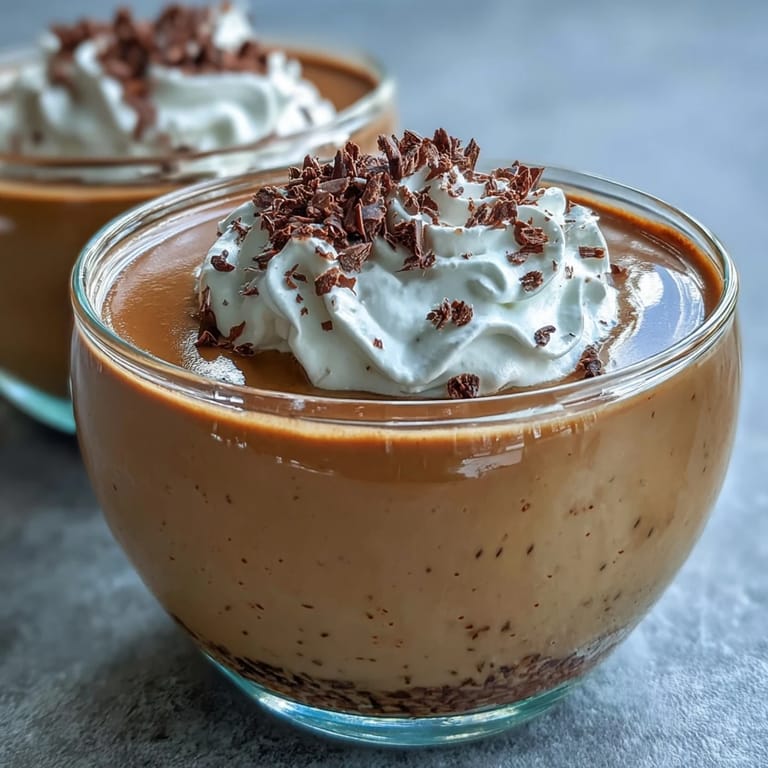
Save There's something almost meditative about standing over a warm saucepan, stirring gently and watching this glossy custard transform before your eyes, knowing that in just a couple of hours, you'll have created something that tastes like it came from a master pastry chef. That feeling—of turning a few simple ingredients into something refined—is what makes this recipe feel like pure magic.
Choosing and Storing Your Hojicha
Not all hojicha is created equal, and spending a bit of time sourcing a good one makes a real difference in how your pudding tastes. Look for hojicha from a specialty tea shop or a reputable online tea supplier—it should smell warm and toasty, almost like popcorn or roasted nuts. Loose leaf is preferable to tea bags because you have more control over steeping time, but high-quality tea bags work too if that's what you have on hand. Store your hojicha in an airtight container away from light and strong cooking smells, because tea is surprisingly absorbent and will pick up flavors from nearby spices or garlic.
Making It Your Own
This pudding is a canvas waiting for your personal touch, and I've found that small variations lead to entirely different moods. Some days I top mine with fresh raspberries and a tiny drizzle of honey; other times I keep it completely plain to let the hojicha shine. The structure of the custard is forgiving enough that you can experiment with the garnish without worrying about ruining the base.
Timing and Make-Ahead Magic
The beauty of this dessert is that it improves with planning—you can make it up to 3 days ahead and keep it covered in the refrigerator, which means less stress on the day of serving. I often prepare these puddings on Sunday evening so they're ready for Wednesday dinner parties, which frees up my day entirely. The flavor actually deepens slightly as the pudding sits, so patience truly pays off here.
- If you're short on time, you can serve the pudding after just 1 hour of chilling, though the texture won't be quite as set.
- Top with whipped cream just before serving so it stays light and fluffy rather than melting into the pudding.
- A tiny pinch of fleur de sel on top brightens the hojicha flavor and adds an unexpected sophistication.
 Save
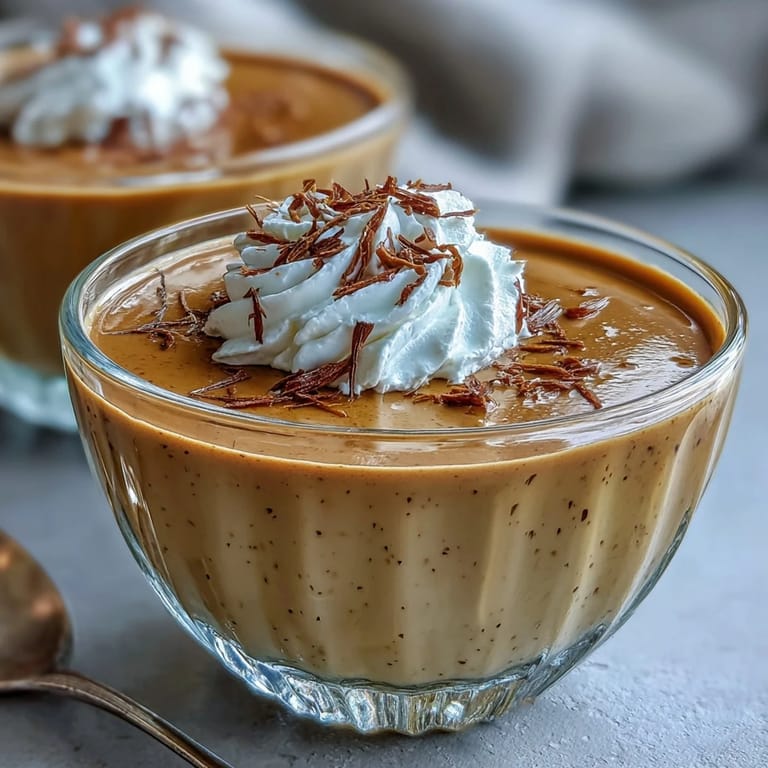
Save This pudding has become my secret weapon for feeling like a skilled dessert maker without the stress of complicated techniques. Make it once and you'll understand why something so simple can feel so special.
Recipe Questions & Answers
- → What makes hojicha different from other green teas?
Hojicha is roasted green tea leaves, creating a distinct nutty, toasty flavor with lower caffeine content. The roasting process gives it a reddish-brown color and milder taste compared to unroasted varieties like matcha or sencha.
- → Can I make this dessert ahead of time?
Absolutely. This custard actually improves after chilling overnight. Prepare it up to 2 days in advance, keeping it covered in the refrigerator. Add garnishes like whipped cream just before serving.
- → How do I know when the custard is properly cooked?
The custard is ready when it coats the back of a spoon and leaves a clear line when you run your finger through it. This should take 5-7 minutes over low heat. Avoid boiling, which can cause curdling.
- → What can I substitute for hojicha tea?
Genmaicha (brown rice tea) creates a similar nutty profile. For a different twist, try Earl Grey for bergamot notes or chai spices for warmth. However, hojicha's unique roasted flavor is worth seeking out.
- → Is this suitable for lactose-intolerant guests?
Use lactose-free milk and cream alternatives. For a completely dairy-free version, substitute coconut milk and plant-based cream, using cornstarch instead of eggs for thickening. The texture will be slightly different but still delicious.
- → What serving vessel works best?
Individual ramekins, small glass jars, or elegant coupes showcase the beautiful caramel-colored custard. Clear vessels allow guests to appreciate the smooth, glossy texture before taking that first spoonful.