 Save
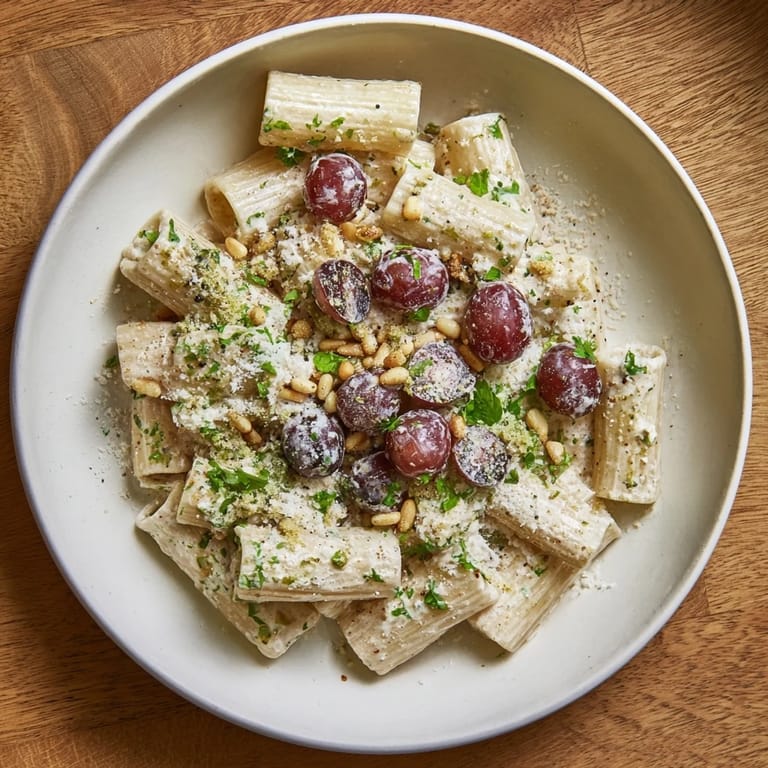
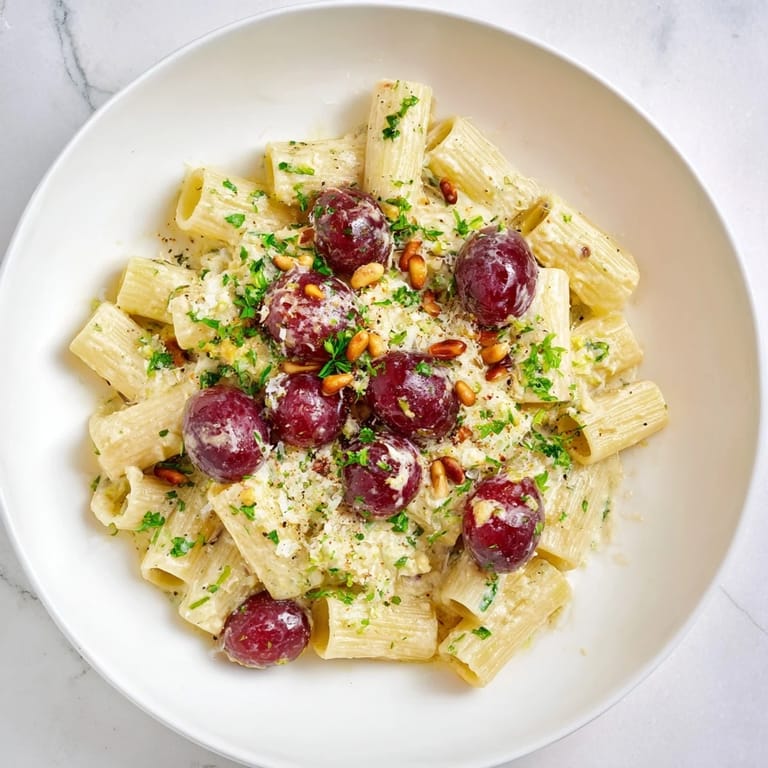
Save The first time I tasted roasted grapes, I nearly spit them out—they weren't what I expected at all. That bittersweet burst of concentrated flavor made me rethink everything I thought I knew about fruit in savory dishes. I started playing around in the kitchen, pairing them with creamy ricotta and bright lemon, and somehow landed on this pasta that felt both unexpected and completely right. It's become the dish I make when I want to impress people without spending hours in the kitchen.
I made this for my sister last summer when she was going through a difficult time, and watching her face light up with that first forkful reminded me why cooking for people matters. She kept asking how I'd gotten the grapes to taste like candy and herbs all at once, and honestly, I loved not having a complicated answer to give her.
Ingredients
- Pasta (350 g or 12 oz, penne, rigatoni, or fusilli): Short, chunky shapes work best here because they catch the ricotta and grape juices perfectly.
- Seedless grapes (300 g or 2 cups, red or black): The roasting transforms them completely—choose ones that are plump and feel firm when you squeeze them gently.
- Olive oil for roasting (1 tbsp): Just enough to help the grapes blister without making them slide around the tray.
- Coarse salt and black pepper (1/2 tsp salt, 1/4 tsp pepper): Season the grapes generously; they need it to develop their savory side.
- Fresh ricotta (250 g or 1 cup): The creamier and fresher, the better—this is your sauce, so quality matters here.
- Lemon zest and juice (1/2 tsp zest, 1 tbsp juice): Don't skip the zest; it adds a brightness that cuts through the sweetness beautifully.
- Fresh basil and parsley (2 tbsp basil, 1 tbsp parsley): Pick them just before using so they still smell like summer.
- Extra-virgin olive oil for finishing (2 tbsp): Save your best oil for drizzling at the end—it makes a real difference.
- Toasted pine nuts (40 g or 1/4 cup, optional): They add a buttery crunch that complements the soft grapes and creamy ricotta.
- Parmesan cheese (optional, for serving): A little grated over the top adds a salty, umami note that brings everything into focus.
Tired of Takeout? 🥡
Get 10 meals you can make faster than delivery arrives. Seriously.
One email. No spam. Unsubscribe anytime.
Instructions
- Get your oven ready:
- Preheat to 220°C (425°F) and line a baking tray with parchment paper so you don't have to scrub burned grape residue later.
- Prepare the grapes:
- Remove stems, spread them on the tray, and toss with olive oil, salt, and pepper. You want every grape coated; I usually use my hands to make sure nothing gets missed.
- Roast until blistered:
- Roast for 20-25 minutes, shaking the tray halfway through. They're done when they look almost shriveled and blistered, with a deep color and concentrated sweetness.
- Boil your pasta:
- While grapes roast, bring salted water to a rolling boil and cook pasta until it's just al dente—tender but still with a slight bite. Before draining, reserve a cup of that starchy water.
- Make the ricotta mixture:
- In a bowl, combine ricotta, lemon zest, lemon juice, chopped herbs, and salt. Stir until smooth and creamy; if it feels too thick, you'll loosen it with pasta water in a moment.
- Bring it together:
- Return hot pasta to the pot, add the ricotta mixture, and toss gently over low heat. Add reserved pasta water a few tablespoons at a time until the sauce coats everything in a silky cream.
- Fold in the grapes:
- Gently add roasted grapes and all their juices. The warmth will make the sauce a bit looser and the grapes will release even more flavor into the pasta.
- Finish and serve:
- Divide into bowls, top with pine nuts, fresh basil, black pepper, and Parmesan if using. Drizzle with your best olive oil and serve right away while everything is still warm.
 Save
Save I realized this dish works best when nothing is rushing—when you take a moment to actually taste the grapes as they come out of the oven, when you feel the texture change as you fold them into the hot pasta. That's when it stops being just dinner and becomes something you'll remember.
Why Sweet and Savory Works Here
For years I thought sweet and savory belonged in separate lanes, until I tasted this combination. The grapes don't taste like dessert; roasting concentrates their natural sugars into something almost umami-rich, and the salt and pepper stop them from ever being cloying. The ricotta grounds everything in creaminess, and the lemon zest acts like a referee, keeping the flavors balanced and fresh.
Swaps and Variations
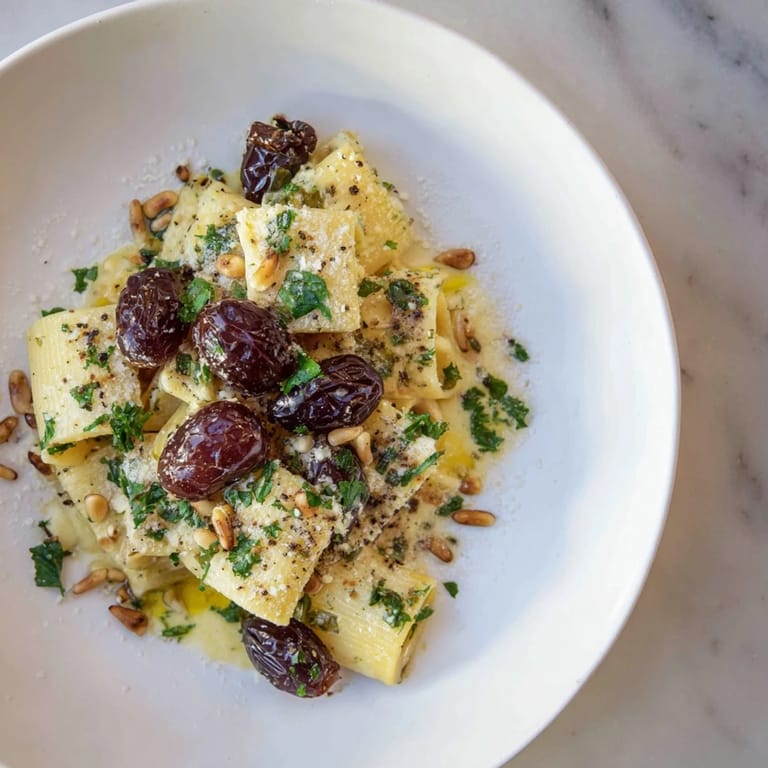
I've tried this with goat cheese when I wanted something tangier, and it's spectacular—the tartness plays beautifully against the sweet grapes. You can also use burrata if you're feeling luxurious, or swap the pine nuts for toasted walnuts if that's what you have on hand. One afternoon I made it with whole-wheat pasta and honestly couldn't tell the difference, so don't feel locked into regular pasta if you have dietary preferences.
Pairing and Serving Ideas
This dish wants something light and crisp to drink—Sauvignon Blanc or Pinot Grigio are perfect companions because they have enough acidity to cut through the richness and echo those bright lemon notes. I've also found that serving it family-style, where everyone adds their own toppings, makes it feel more special and interactive than plating it ahead of time. Let people customize their grind of pepper and sprinkle of Parmesan.
- Serve immediately so the pasta stays creamy and the grapes are still warm.
- A simple green salad with a sharp vinaigrette makes a nice light follow-up if you're serving multiple courses.
- Leftovers are fine cold the next day, but this dish is truly best eaten fresh.
 Save
Save There's something magical about dishes that shouldn't work on paper but somehow come together perfectly on the plate. This is one of those, and I hope it surprises you the way it surprised me.
Recipe Questions & Answers
- → How do I roast grapes for this dish?
Spread seedless grapes on a baking tray, drizzle with olive oil, and season with salt and pepper. Roast at 220°C (425°F) for 20-25 minutes until soft and caramelized.
- → What pasta types work best here?
Short pastas such as penne, rigatoni, or fusilli hold the creamy mixture well and complement the roasted grapes.
- → Can I substitute ricotta cheese?
Goat cheese is a good alternative for a tangier flavor while maintaining the creamy texture.
- → How do I create the sauce for this dish?
Mix ricotta with lemon zest, lemon juice, herbs, and salt. Toss with hot pasta and reserved pasta water to form a creamy sauce that coats the pasta evenly.
- → What garnishes enhance the flavor?
Toasted pine nuts add crunch, while fresh basil and grated Parmesan provide aromatic and savory notes.
- → Is this dish suitable for vegetarians?
Yes, it uses vegetarian-friendly ingredients like pasta, grapes, ricotta, herbs, and nuts.