 Save
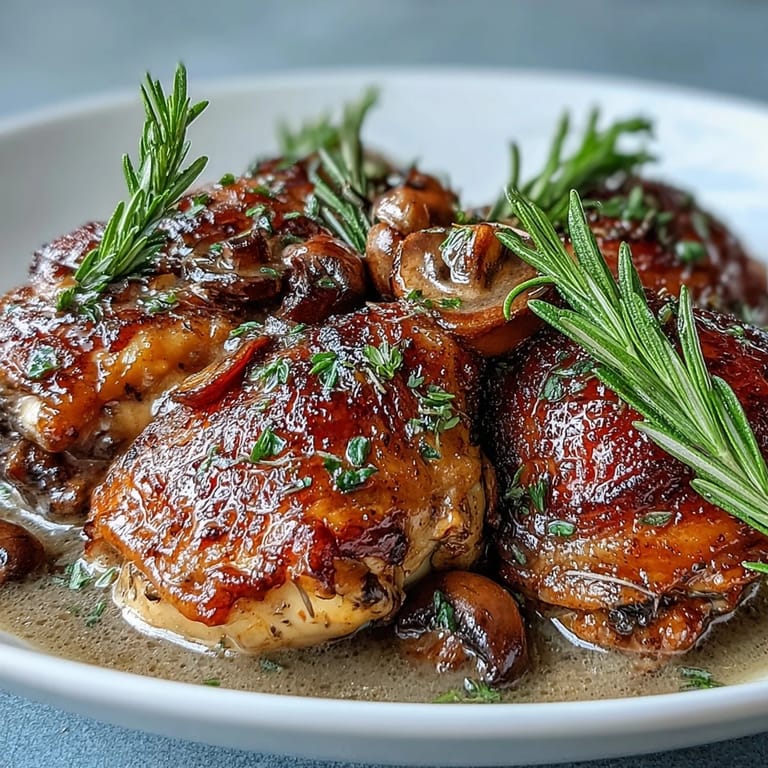
Save My kitchen smelled like a bistro in Provence the first time I swapped red wine for rosé in this dish. I'd bought a bottle for a picnic that got rained out, and instead of letting it sit, I poured it into the pot with browned chicken and vegetables. The sauce turned this beautiful blush pink, lighter and somehow more graceful than the traditional version. My neighbor knocked on the door an hour later asking what I was cooking, and I knew I'd stumbled onto something worth repeating.
I made this for a small dinner party on a drizzly April evening, and everyone went quiet after the first bite. One friend, who usually talks through entire meals, just pointed at her plate and nodded. We ended up sopping up every bit of that creamy, wine laced sauce with torn pieces of baguette. It became the dish I turn to when I want to impress without spending all day in the kitchen.
Ingredients
- Bone in, skin on chicken pieces: Thighs and drumsticks stay moist and tender through the long braise, and the bones add body to the sauce that you just can't get from boneless cuts.
- Dry rosé wine: Choose something you'd actually drink, not cooking wine from a dusty shelf, because its flavor will concentrate and define the whole dish.
- Olive oil: A couple tablespoons create the fond on the bottom of the pot that becomes the flavor foundation once you deglaze with wine.
- Onion, garlic, carrots, leek: This aromatic base builds sweetness and depth, softening into the sauce as everything simmers together.
- Cremini or button mushrooms: Quartered mushrooms soak up the wine and release their earthy juice, adding another layer of umami to every spoonful.
- Tomato paste: Just two tablespoons deepen the color and add a subtle tang that balances the cream.
- All purpose flour: Optional but helpful if you like a slightly thicker sauce that clings to your fork.
- Heavy cream: Stirred in at the end, it mellows the acidity and turns the sauce silky and luxurious.
- Bay leaf, thyme, rosemary: Classic French herbs that perfume the pot and make your kitchen smell like you know what you are doing.
- Salt and black pepper: Season generously at every stage, tasting as you go, because underseasoned braises are a missed opportunity.
- Fresh parsley: A handful of chopped parsley at the end adds a pop of color and a whisper of freshness.
Tired of Takeout? 🥡
Get 10 meals you can make faster than delivery arrives. Seriously.
One email. No spam. Unsubscribe anytime.
Instructions
- Season and Prep the Chicken:
- Pat each piece dry with paper towels so the skin will actually brown instead of steam. Sprinkle salt and pepper all over, getting into the crevices.
- Brown the Chicken:
- Heat olive oil in your Dutch oven over medium high heat until it shimmers, then lay the chicken skin side down without crowding the pot. Let it sizzle undisturbed for about 5 minutes until the skin releases easily and turns golden, then flip and brown the other side before transferring to a plate.
- Sauté the Vegetables:
- In the same pot with all those lovely browned bits, add onions, carrots, and leek, stirring occasionally until they soften and start to smell sweet. Toss in the mushrooms and let them cook down for a few minutes until they release their moisture.
- Add Garlic and Tomato Paste:
- Stir in the minced garlic and let it bloom for a minute until fragrant. Add the tomato paste and cook it for another minute, letting it caramelize slightly and deepen in color.
- Thicken with Flour:
- If you want a thicker sauce, sprinkle the flour over the vegetables and stir everything together to coat. Cook for a minute to get rid of the raw flour taste.
- Deglaze with Rosé:
- Pour in the rosé wine and use a wooden spoon to scrape up all the flavorful bits stuck to the bottom of the pot. Nestle the browned chicken back in, then tuck in the bay leaf, thyme, and rosemary.
- Simmer Until Tender:
- Bring everything to a gentle simmer, cover the pot, and reduce the heat to low. Let it cook for 45 minutes, checking occasionally to make sure it is bubbling gently and not boiling hard.
- Finish with Cream:
- Fish out the herb sprigs and bay leaf, then stir in the heavy cream. Let the sauce simmer uncovered for 5 to 10 minutes until it thickens slightly and takes on a glossy sheen, then taste and adjust the salt and pepper.
- Garnish and Serve:
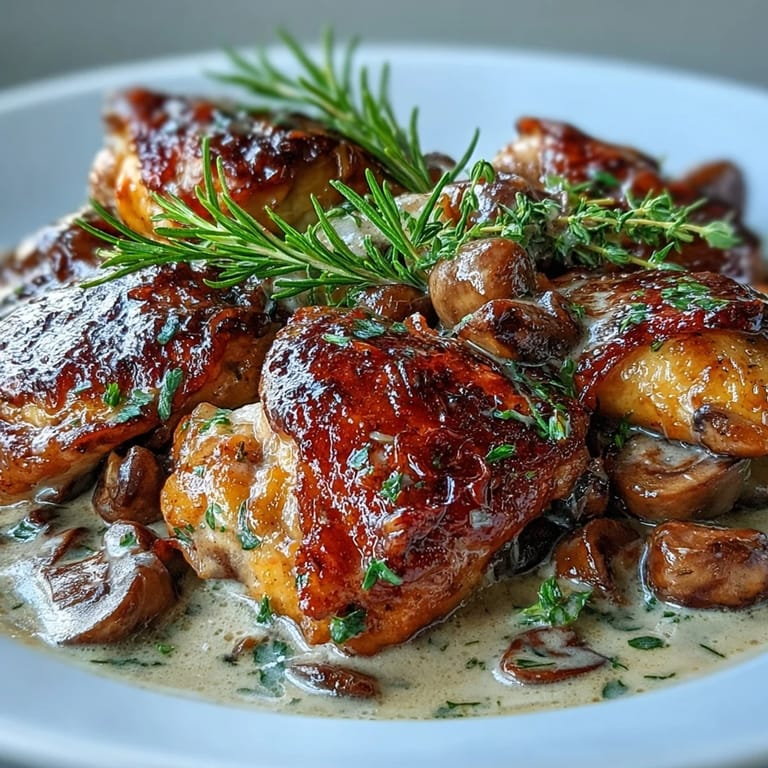
- Spoon the chicken and sauce onto plates or a serving platter and scatter fresh parsley over the top. Serve it hot with something to soak up every drop of that beautiful sauce.
 Save
Save One evening I served this to my mother, who grew up eating her grandmother's coq au vin made with red wine and bacon. She took a bite, paused, and said it reminded her of spring in a way the original never did. We sat at the table long after our plates were empty, talking about how some recipes deserve to evolve. That night, this dish stopped being just an experiment and became part of my own tradition.
Choosing the Right Wine
I learned the hard way that not all rosé wines are created equal for cooking. The first time I used a super sweet rosé from a summer barbecue, the sauce tasted like it belonged on a dessert crepe. Stick with a dry, crisp rosé, something from Provence or a Spanish rosado, and you will get that delicate balance of acidity and fruit that makes this version sing. If you are unsure, ask at the wine shop for a dry rosé you would enjoy drinking, because if it tastes good in a glass, it will taste even better in your pot.
What to Serve Alongside
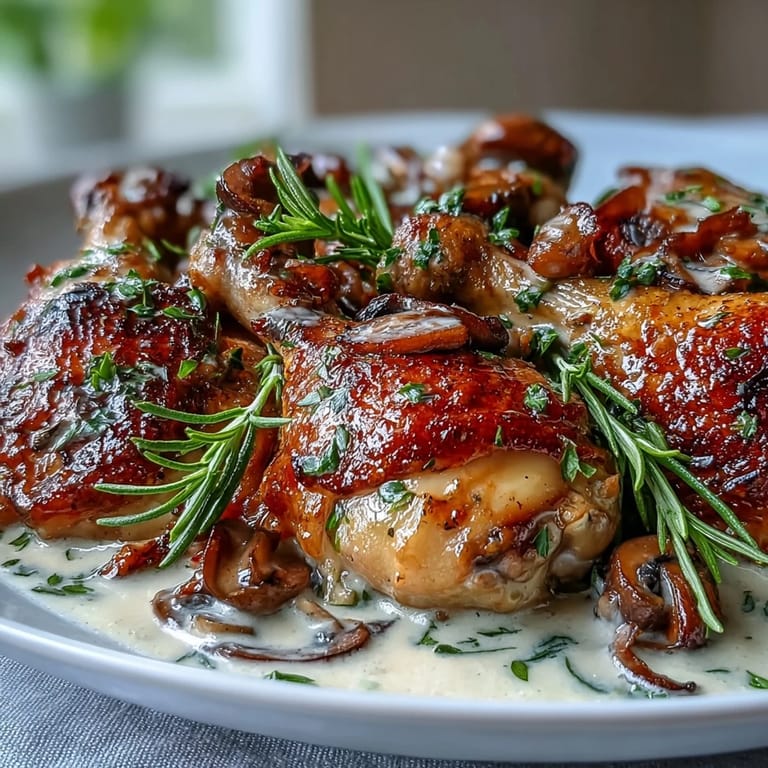
This dish begs for something to soak up the creamy, wine laced sauce. I usually go with buttered boiled potatoes or a pile of crusty bread torn into chunks, but fluffy white rice or creamy mashed potatoes work beautifully too. A simple green salad with a sharp vinaigrette cuts through the richness and keeps the meal from feeling too heavy. On colder nights, I have even served it over wide egg noodles, and no one complained.
Make Ahead and Storage Tips
This is one of those dishes that actually improves after a night in the fridge. I often make it a day ahead, let it cool completely, then reheat it gently on the stove, adding a splash of cream or stock if the sauce has thickened too much. It keeps well covered in the refrigerator for up to three days, and the flavors deepen as they sit together. You can even freeze it without the cream, then stir in fresh cream when you reheat it for a dinner that tastes like you just spent the afternoon cooking.
- Cool the braise completely before covering and refrigerating to prevent condensation from watering down the sauce.
- Reheat over low heat, stirring gently, so the chicken stays tender and the sauce does not break.
- If freezing, use an airtight container and leave out the cream until you are ready to serve.
 Save
Save There is something deeply satisfying about pulling a pot of this off the stove and watching the steam rise, knowing that in an hour and a half you have created something that tastes like it took all day. I hope this becomes a dish you turn to when you want to feel like a confident, capable cook, because that is exactly what it will make you.
Recipe Questions & Answers
- → Can I use chicken breasts instead of thighs and drumsticks?
Yes, but bone-in, skin-on thighs and drumsticks are recommended as they remain more tender and flavorful during the longer braising time. If using breasts, reduce cooking time to 30-35 minutes to prevent drying out.
- → What type of rosé wine works best for this dish?
Choose a dry rosé wine with good acidity and body. Avoid sweet or fruity rosés. A Provence-style rosé or dry Spanish rosado works beautifully, providing the right balance of flavor without overwhelming the dish.
- → Can I make this dish ahead of time?
Absolutely. The flavors develop beautifully when made a day ahead. Prepare through step 7, cool completely, and refrigerate. Reheat gently, then add the cream and finish as directed. The sauce may thicken when cold, so add a splash of stock or wine when reheating.
- → How can I make the sauce thicker?
If you skipped the flour initially, simmer the sauce uncovered for an additional 10-15 minutes after adding cream. Alternatively, mix 1 tablespoon cornstarch with 2 tablespoons cold water and stir into the simmering sauce until it reaches your desired consistency.
- → What are the best side dishes to serve with Coq au Vin Rosé?
Traditional accompaniments include buttered egg noodles, creamy mashed potatoes, or crusty French bread to soak up the delicious sauce. Roasted root vegetables or a simple green salad with vinaigrette also complement the rich, creamy dish perfectly.
- → Can I substitute the heavy cream with a lighter option?
Yes, you can use half-and-half for a lighter version, though the sauce will be less rich. Crème fraîche is an excellent alternative that adds tanginess. For dairy-free, coconut cream works surprisingly well, though it will alter the traditional flavor profile slightly.