 Save
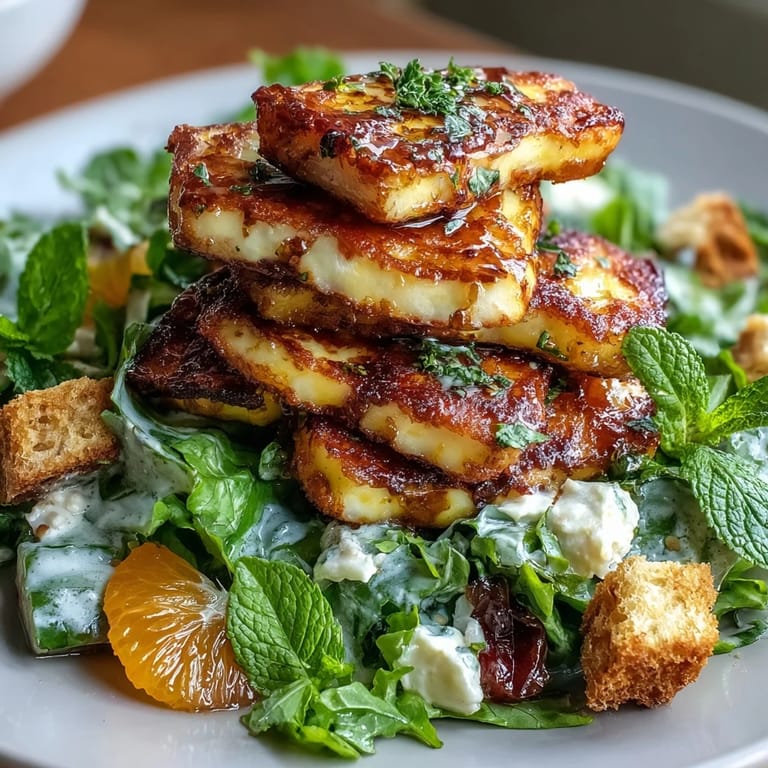
Save The kitchen smelled like toast and citrus when I first sliced into a blood orange for this salad. I hadn't planned on making anything fancy that afternoon, just something quick to use up the halloumi sitting in my fridge. But the moment I saw those deep ruby segments against the pale cheese and green herbs, I knew I'd stumbled onto something worth repeating. It's become my go-to when I want color, crunch, and a little salty-sweet magic on one plate.
I made this for a friend who swore she didn't like salads, and she scraped her bowl clean. She kept asking what made it taste so bright, and I realized it was the sumac and pomegranate molasses working quietly in the background. Since then, I've brought it to potlucks, served it on warm spring evenings, and even packed it for picnics with the dressing on the side. It's the kind of dish that makes people lean in and ask for the recipe before they've finished their first bite.
Ingredients
- Halloumi cheese: This firm, salty cheese doesn't melt when fried, giving you golden, squeaky bites that anchor the whole salad.
- Blood oranges: Their jewel-toned segments add a floral sweetness that regular oranges can't quite match, though they work in a pinch.
- Mixed salad greens: A blend of romaine, arugula, parsley, and mint brings peppery, herbaceous layers that balance the richness of the cheese.
- Cucumber: Diced small, it adds cool crunch and a subtle freshness that keeps every bite from feeling too heavy.
- Cherry tomatoes: Halved so their juices mingle with the dressing, they bring a burst of acidity and color.
- Red onion: Sliced thin, it offers a sharp bite that mellows slightly once tossed with the citrus and oil.
- Radishes: Their peppery snap and pale pink color add another layer of crunch and visual interest.
- Sourdough bread: Cut into cubes and toasted, it soaks up the dressing while staying crispy on the edges.
- Olive oil: Used both for toasting the croutons and building the dressing, it ties everything together with fruity richness.
- Lemon juice: Freshly squeezed, it brightens the dressing and lifts the flavors of the fruit and herbs.
- Pomegranate molasses: This tangy, slightly sweet syrup is the secret ingredient that makes the dressing unforgettable.
- Sumac: A tart, lemony spice that adds depth and a hint of Middle Eastern character to every bite.
- Black pepper and sea salt: Simple seasonings that let the other flavors shine without competing.
Tired of Takeout? 🥡
Get 10 meals you can make faster than delivery arrives. Seriously.
One email. No spam. Unsubscribe anytime.
Instructions
- Toast the croutons:
- Preheat your oven to 200°C (400°F), toss the sourdough cubes with olive oil and sea salt, then spread them on a baking tray. Bake for 8 to 10 minutes until they're golden and smell like a bakery, then set them aside to cool and crisp up.
- Fry the halloumi:
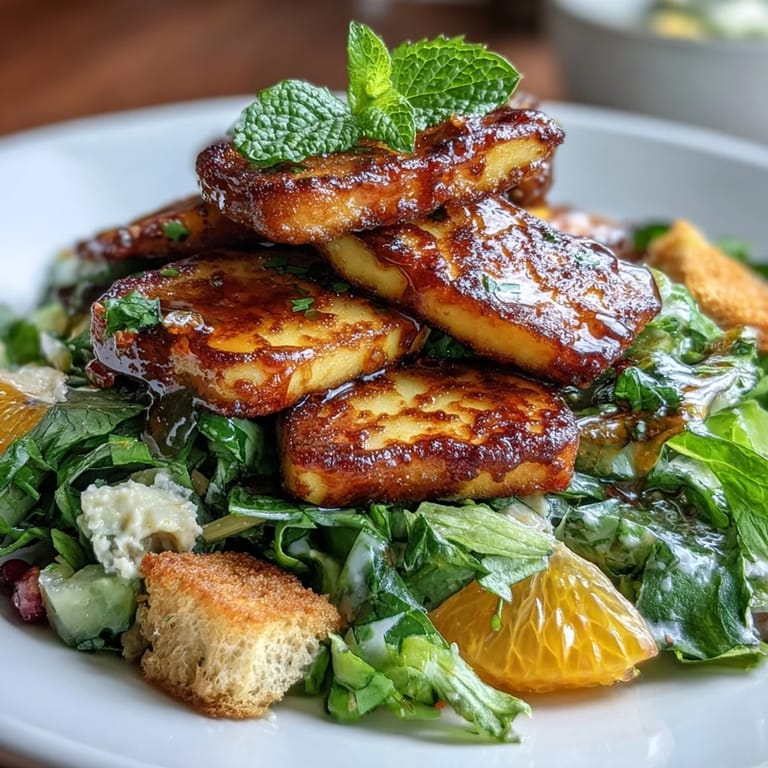
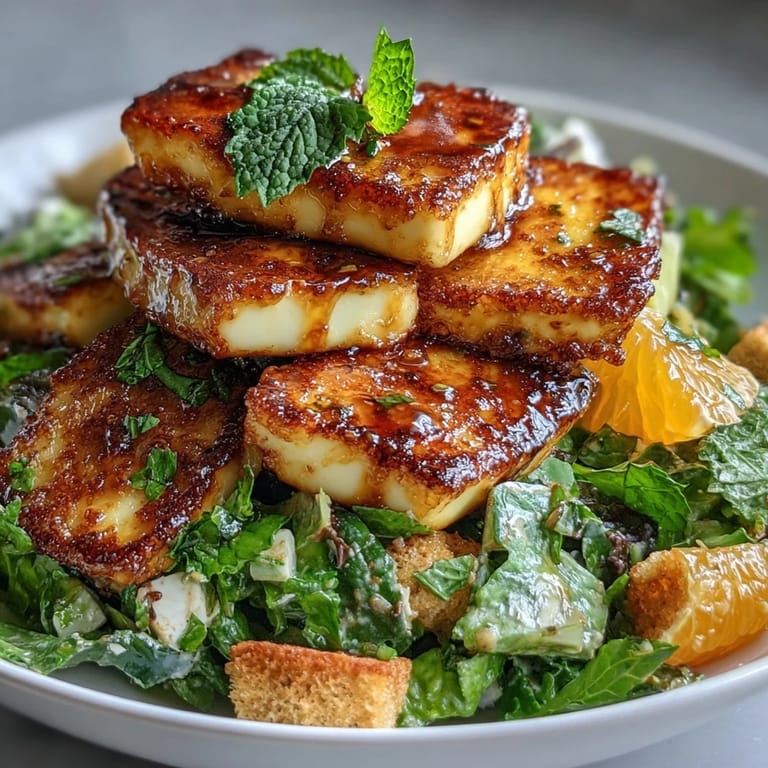
- Heat a non-stick skillet over medium heat and lay the halloumi slices in without crowding them. Fry for 2 to 3 minutes per side until each piece turns golden brown and develops a slight crust, then drain briefly on a paper towel.
- Build the salad base:
- In a large salad bowl, combine the mixed greens, diced cucumber, halved cherry tomatoes, red onion, radishes, and blood orange segments. Toss gently so the delicate orange pieces don't break apart.
- Whisk the dressing:
- In a small bowl, whisk together the olive oil, lemon juice, pomegranate molasses, sumac, black pepper, and salt until it emulsifies into a glossy, tangy dressing. Taste and adjust the salt or lemon if needed.
- Combine and serve:
- Add the warm halloumi and toasted croutons to the salad bowl, drizzle the dressing over everything, and toss gently to coat. Serve immediately while the cheese is still warm and the croutons are at their crispiest.
 Save
Save One evening, I served this to my neighbor who had just moved from Beirut, and she paused mid-bite with a smile. She told me it reminded her of Sunday lunches at her grandmother's table, though she'd never seen blood oranges in fattoush before. We ended up talking for an hour about food, memory, and how recipes travel and transform. That night, this salad became more than dinner, it became a bridge between two kitchens and two stories.
Choosing Your Citrus
Blood oranges are stunning, but they're not always in season or easy to find. I've made this with regular navel oranges, cara cara oranges, and even pink grapefruit, and each version brought its own personality. The key is to segment them properly, cutting away all the white pith so you're left with clean, juicy pieces that don't add bitterness. If you're using grapefruit, reduce the lemon juice slightly since it's already quite tart.
Making It a Meal
This salad is hearty enough to serve as a main course for lunch, but I've also plated it as a side for grilled lamb or roasted chicken. If you want to stretch it further, double the halloumi and add a handful of cooked quinoa or freekeh to the base. A few toasted pistachios or walnuts scattered on top add richness and a satisfying crunch that makes it feel even more substantial.
Storing and Serving Tips
I always keep the components separate if I'm not serving immediately. The greens, veggies, and citrus can be prepped and stored in the fridge for a few hours, while the croutons stay crispy in an airtight container at room temperature. Fry the halloumi just before serving, it only takes five minutes and the warm, golden cheese is what makes this salad so irresistible.
- Store leftover dressing in a small jar in the fridge for up to three days and shake it well before using.
- If you have leftover salad, keep the croutons separate and add them fresh the next day to revive the texture.
- Pair this with a chilled Sauvignon Blanc or a sparkling water with a slice of lemon for a light, refreshing meal.
 Save
Save This salad has a way of turning an ordinary weeknight into something worth savoring. I hope it brings as much color and joy to your table as it has to mine.
Recipe Questions & Answers
- → Can I prepare this ahead of time?
Prepare the dressing and croutons in advance, but fry the halloumi just before serving. Assemble everything at the last minute to maintain the crispy textures and warm cheese contrast.
- → What can I use instead of blood oranges?
Regular navel oranges work perfectly, or try pink grapefruit for a more tart variation. The key is having citrus that provides juicy sweetness to balance the salty halloumi.
- → Is halloumi suitable for vegetarians?
Most halloumi is vegetarian-friendly, made from sheep and goat milk with microbial rennet. Always check the label if you follow a strict vegetarian diet to ensure no animal rennet is used.
- → How do I prevent halloumi from sticking to the pan?
Use a good quality non-stick skillet and let it heat up properly before adding the cheese. Avoid moving the halloumi too much—let it develop a golden crust on each side for 2-3 minutes before flipping.
- → Can I make this gluten-free?
Substitute the sourdough croutons with gluten-free bread cubes, or omit them entirely and add extra vegetables like bell peppers for crunch. The dressing and remaining ingredients are naturally gluten-free.
- → What does sumac taste like?
Sumac has a tart, lemony flavor with subtle fruity notes. It's a staple Middle Eastern spice that adds brightness without acid, making it perfect for dressings and salads.